CNC MILLING
EVA foam · ±0.1 mm · Any 3D geometry
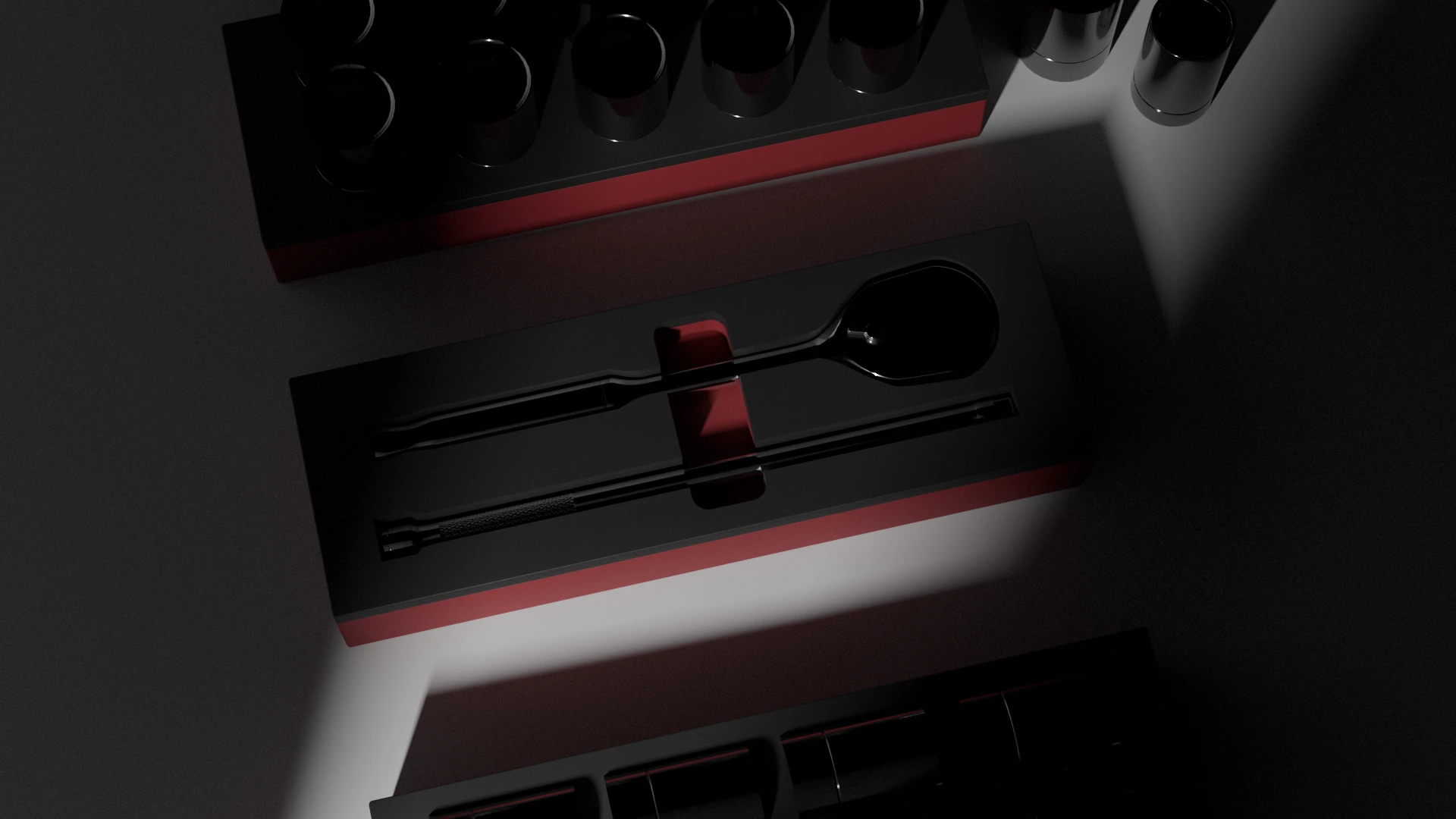
CNC milling selectively removes foam to controlled depths, creating fitted pockets around the geometry of the product. It is especially useful for recessed cavities, multi-depth layouts, access features, and more complex three-dimensional geometry.
- MATERIAL
- EVA
- TOLERANCE
- ±0.1 mm
- DEPTH CONTROL
- 0.1 mm increments
- MIN. ORDER
- 1 piece
DESIGNED AROUND HOW THE PRODUCT IS USED
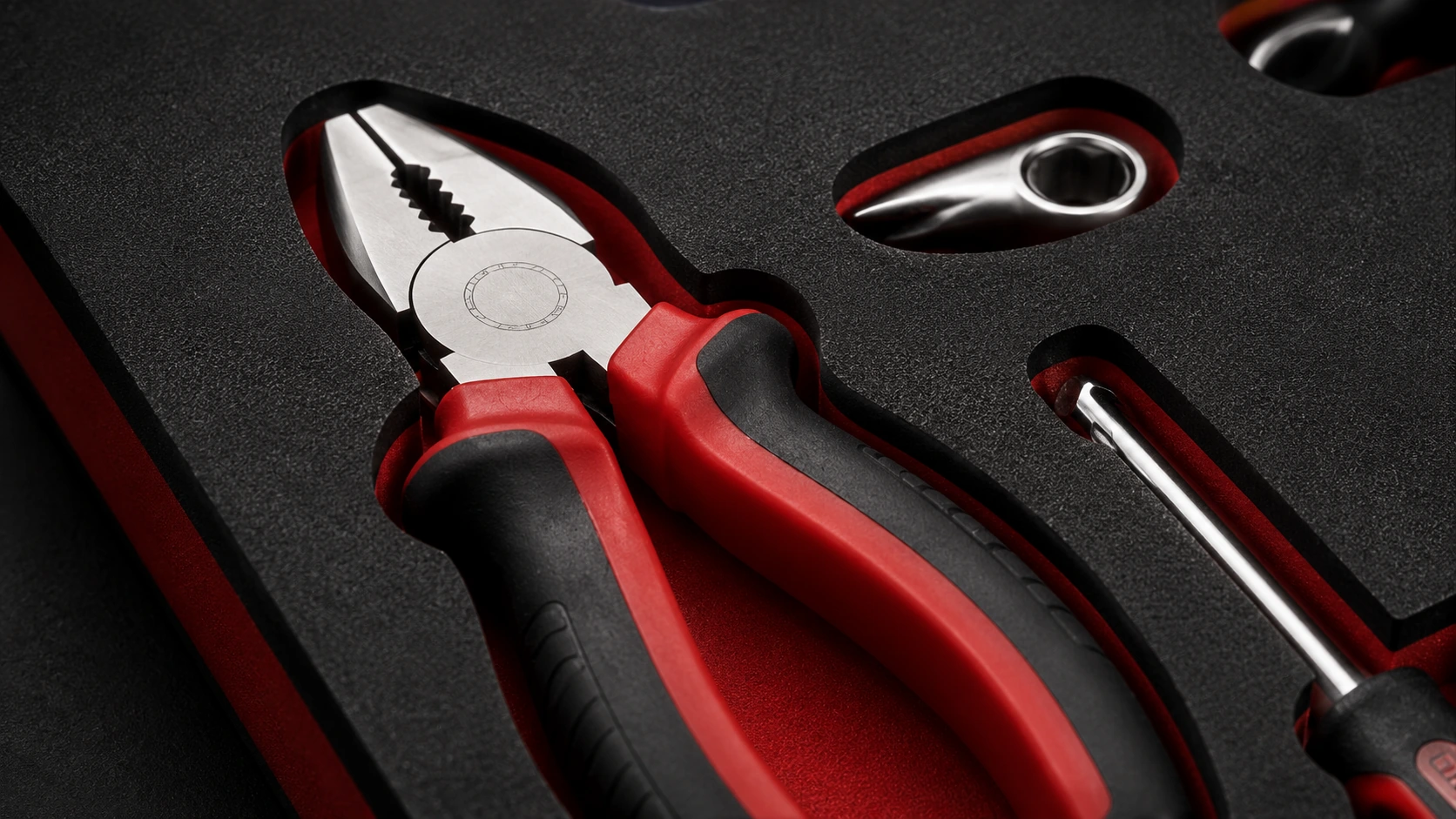
SECURELY HELD
Stay where it belongs.
Pocket geometry follows the product to reduce unnecessary movement and keep components securely positioned during storage, handling, and transport.
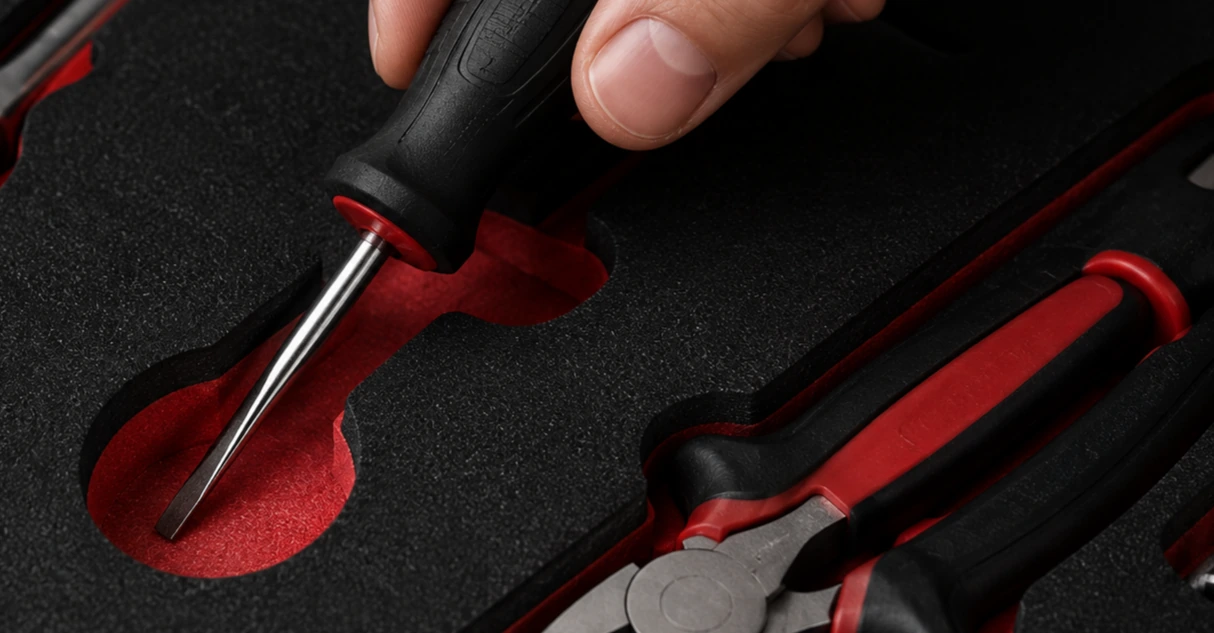
EASY TO REMOVE
Easy in. Easy out.
Finger-access areas and considered clearances give users a natural place to grip the product without sacrificing secure retention.
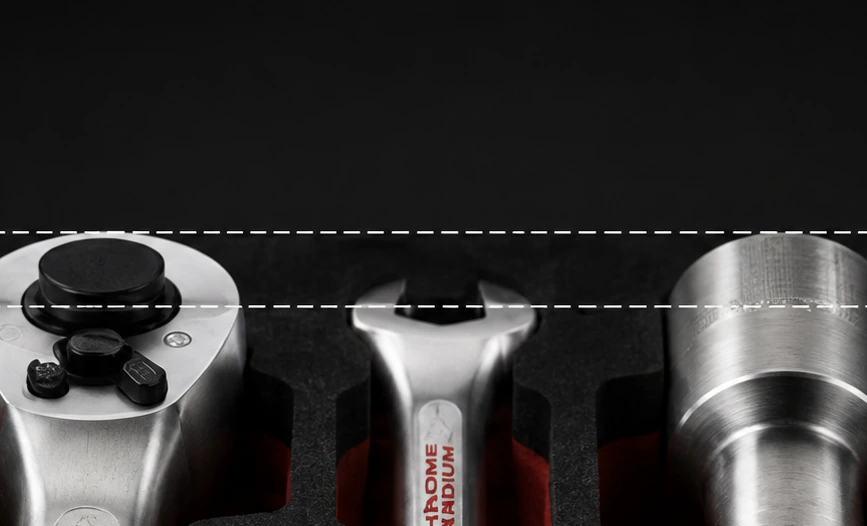
DIFFERENT HEIGHTS. ONE SURFACE.
Keep the presentation clean.
Controlled pocket depths accommodate products of different thicknesses so their visible surfaces can be intentionally aligned.
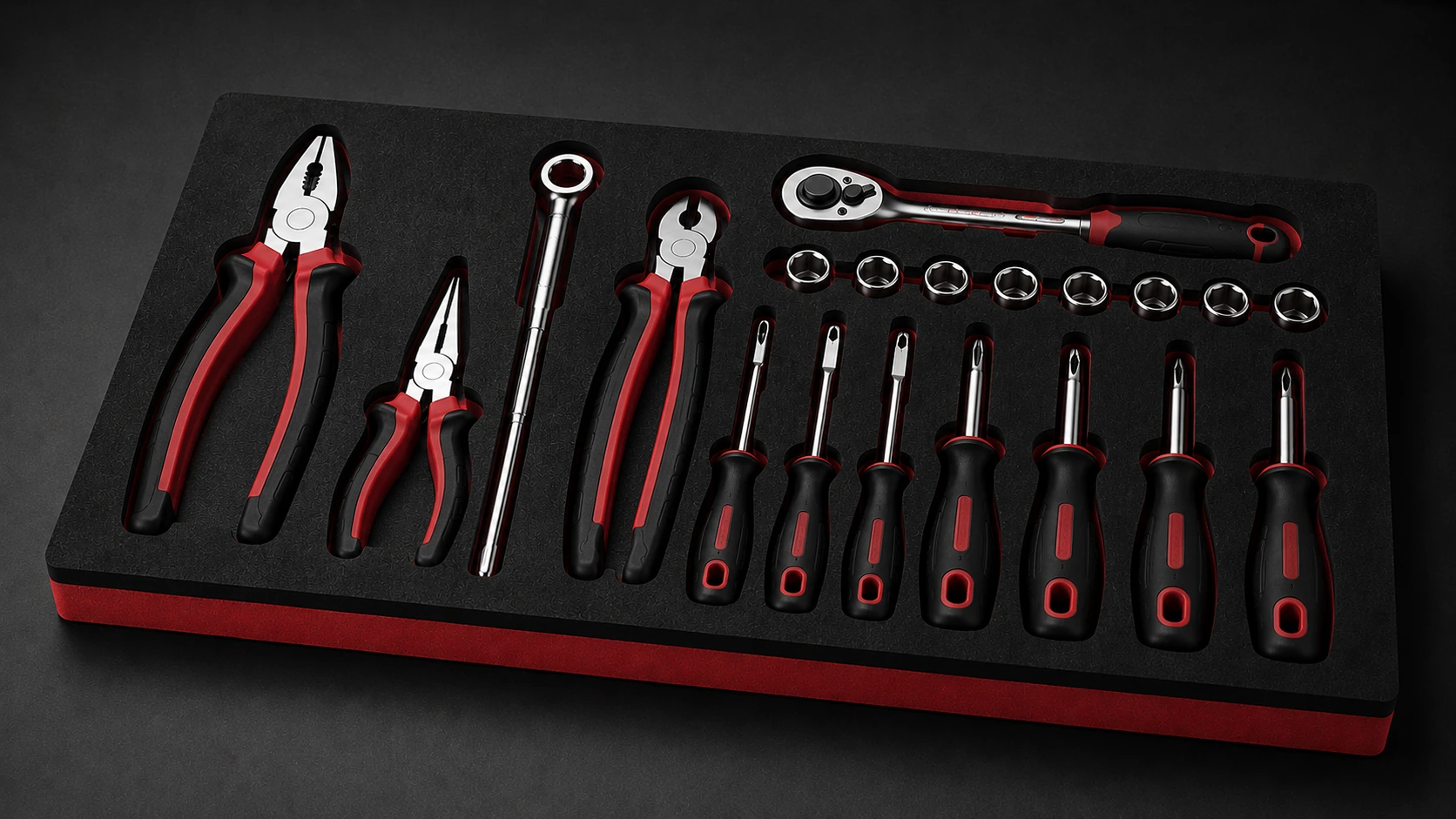
ONE INSERT. COMPLEX PRODUCT.
Built around the product.
Irregular contours and product-specific geometry can be machined into the foam to create an integrated fit and presentation.
WHAT CNC MILLING MAKES POSSIBLE
- — Recessed pockets
- — Controlled pocket depths
- — Stepped geometry
- — Finger-access areas
- — Curved and irregular contours
- — Multiple products at different depths
- — Fitted tool and equipment layouts
POCKET GEOMETRY IS FUNCTIONAL
A pocket is not simply a traced silhouette. Product clearance, retention force, removal access, pocket depth, wall geometry, fragile contact areas, and visual alignment are all considered in the design. The result is a pocket that holds securely, releases naturally, and presents cleanly.
FROM PRODUCT TO FINISHED INSERT
Product or drawing received
Layout and pocket geometry designed
Material and layer structure selected
CNC program prepared
Prototype machined
Fit and usability checked
Production
TYPICAL APPLICATIONS
Hand tools, precision instruments, electronics, measuring equipment, industrial components, service kits, demonstration sets, and protective cases.
MILLING OR CUTTING?
CNC Milling — recessed cavities, controlled depth, 3D geometry.
Vibration Cutting — through-cuts, silhouettes, sheet components, profiles.
Projects may use either process or a combination. If you're unsure which applies, share the product and we can advise.
WHAT TO SEND US
Physical product or sample, 2D drawing, CAD data, dimensions, desired tray or case dimensions, or reference layout.
Need a through-cut profile instead?
See CNC Cutting